Fostering Excellence in Archaeology Education: My Work with STeLAH
As a professor , a large chunk of my time is dedicated to conducting fieldwork and research, particularly oriented around Indigenous cultural heritage and community-driven scholarship. Yet, teaching and learning in archaeology and anthropology are equally crucial components to making research relevant to a broader audience and training the next generation of practitioners. That is why I am excited to share my involvement with the Society for Teaching and Learning in Archaeology and Heritage (STeLAH), a new membership-driven organization dedicated to advancing pedagogy, inclusivity, and community engagement in our field.
A Society Built for Educators and Learners
STeLAH is designed to be a global society for anyone involved in teaching and learning in archaeology and anthropology—whether in higher education, museums, or other educational settings that intersect with cultural heritage. The society recognizes that learning happens everywhere and at every level, from primary schools, to undergraduate classrooms, to public archaeology initiatives.
One of the core aims of STeLAH is to provide a forum for sharing good practice in teaching and learning. By creating communities of practice, the society facilitates high-quality pedagogic research and fosters the application of Teaching and Learning scholarship in archaeology and heritage fields. This is a space where educators can exchange ideas, experiment with innovative approaches, and collaborate on research that advances teaching standards while remaining responsive to the diverse needs of students and communities.
Driving Inclusivity and Accessibility
Teaching archaeology is about more than conveying knowledge—it is about building accessible, equitable, and inclusive learning experiences. STeLAH prioritizes embedding inclusivity, accessibility, and equity across all its activities. This includes supporting educators in reflecting on their pedagogical practices, engaging student voices, and developing teaching strategies that respect and incorporate diverse perspectives.
In my own work, I have seen firsthand how inclusive teaching practices transform learning outcomes. Incorporating the scholarship and perspectives of BIPOC researchers with community knowledge and ethical approaches to cultural heritage enhances not only students’ understanding of archaeology but also their ability to engage thoughtfully with the communities and histories they study. STeLAH provides a platform to promote these approaches and to encourage educators to continually refine their practices.
Collaboration at the Core
STeLAH is being established through the UK’s Charitable Incorporated Organisation model, driven by a founding steering committee of over 40 archaeologists worldwide. The society thrives on collaboration, bringing together experts from diverse institutional, intellectual, and personal backgrounds to guide its formation, share resources, and contribute to its vision.
As a committee member, I’ve enjoyed contributing to the conceptualization of STeLAH as an organization, advocating for the incorporation of Diversity, Equity, and Inclusion principles into the society’s foundational structure. The society also seeks to create training and networking opportunities, enabling members to build skills, exchange ideas, and form meaningful partnerships that strengthen the impact of archaeology education.
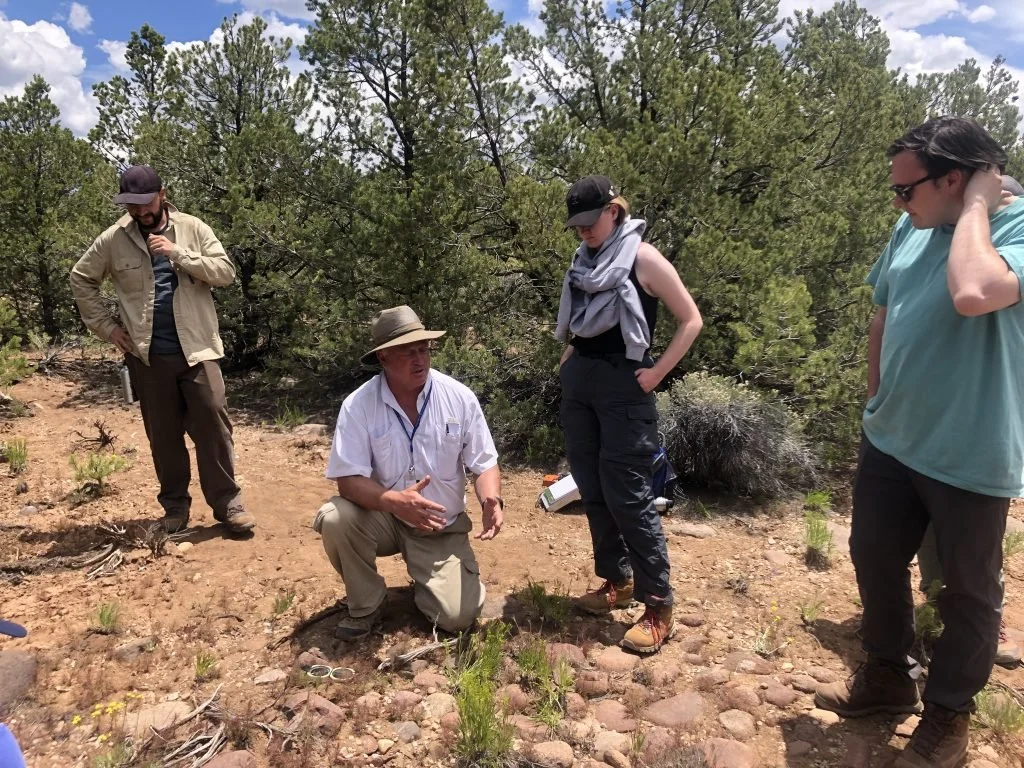
Dr. Mike Adler (SMU) discussing a roasting pit feature with students at the Picuris Pueblo Archaeological Field School.
Opportunities to Make a Difference
STeLAH is currently inviting applications for trustees, offering a unique opportunity for professionals to help guide the society’s development. Trustees play a vital role in shaping the strategic direction of STeLAH, ensuring that its activities remain aligned with its mission of advancing high-quality teaching in archaeology and heritage.
For those passionate about education, community engagement, and the future of our discipline, this is a chance to contribute to a society that values inclusivity, collaboration, ethical practice, and innovation in teaching. Applicants can find more information on the role of trustees and the process of applying here.
Connecting Scholarship and Practice
My involvement with STeLAH reflects a broader commitment to bridging academic research with real-world impact. Just as I integrate archaeology, oral traditions, and Indigenous knowledge systems in my fieldwork, I aim to support educators in developing teaching approaches that are research-informed and community-sensitive.
My teaching philosophy is driven by a commitment to cultivating and supporting an inclusive and affirming classroom culture by drawing on principles of anti-racist pedagogy, decolonizing praxis, and culturally responsive teaching methods. Anti-racist and decolonizing praxis seek to systematically uncover and dismantle structural biases in how we teach while incorporating non-dominant perspectives and voices into the classroom. Culturally responsive teaching is a pedagogical approach that recognizes the importance of culture in all aspects of learning. Key characteristics of this approach include centering students’ perspectives in the development of course materials and assignments and incorporating culturally relevant materials into the curriculum.
STeLAH allows us to translate these engaged bodies of scholarship into meaningful educational practices that shape the next generation of archaeologists and heritage professionals.
Looking Ahead
The establishment of STeLAH is an exciting step for archaeological education. By fostering dialogue, collaboration, and ethical teaching practices, the society has the potential to influence pedagogy across institutions and communities globally. I look forward to supporting its growth, participating in their monthly online roundtables, and seeing the society empower educators and learners alike.
For anyone interested in contributing to archaeology education, whether through research, teaching, or governance, STeLAH provides a dynamic and supportive platform to get involved. Together, we can strengthen the field, elevate teaching standards, and ensure that archaeology becomes a more vibrant, inclusive, and impactful discipline in the years to come.
